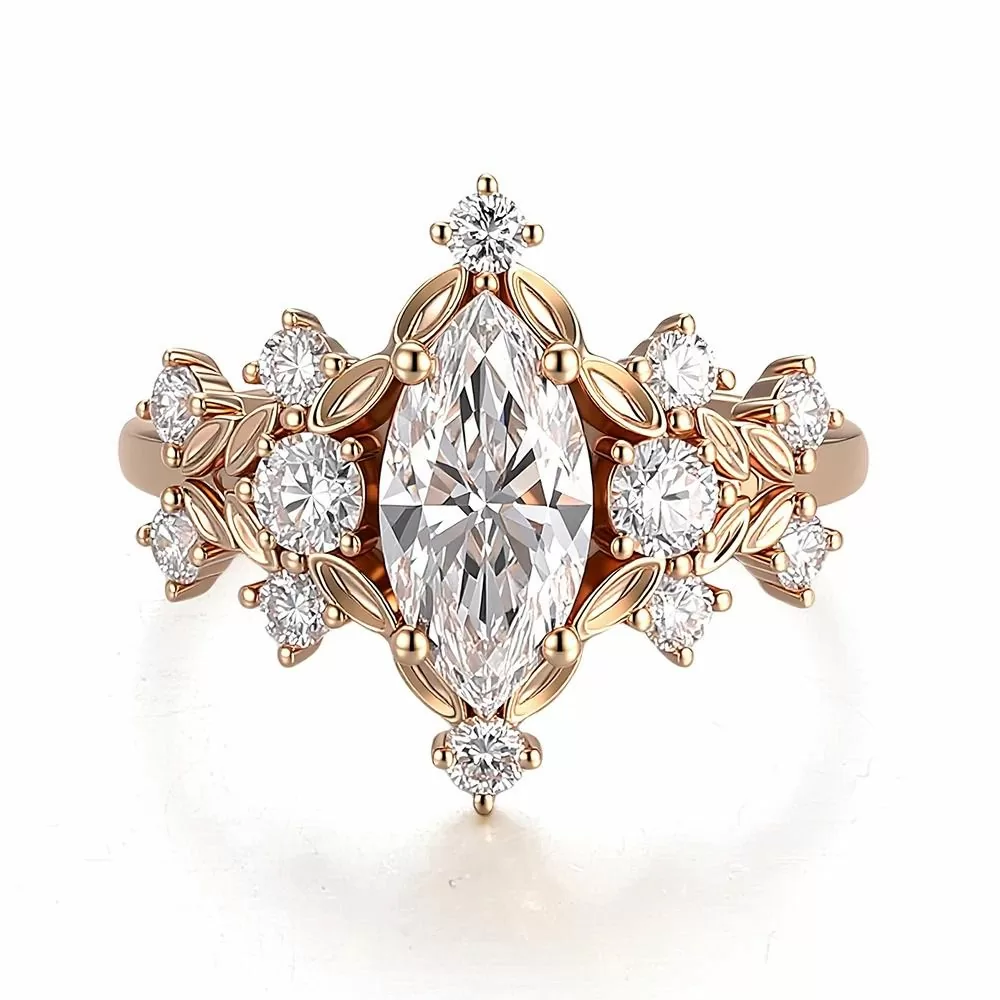
Wedding Rings
A platinum band and a 14k gold band of the same width look identical on the rack. On the hand they feel completely different. Weight is why.
81 articles in the knowledge base. Filter by topic below.
A platinum band and a 14k gold band of the same width look identical on the rack. On the hand they feel completely different. Weight is why.
A band chosen for a flat lay is not a band chosen for an active hand. Metal, profile, stones and habits that survive real daily wear.
Platinum is heavier and rarer; white gold is cheaper up front but needs re-plating. Here is the honest cost-over-time breakdown.
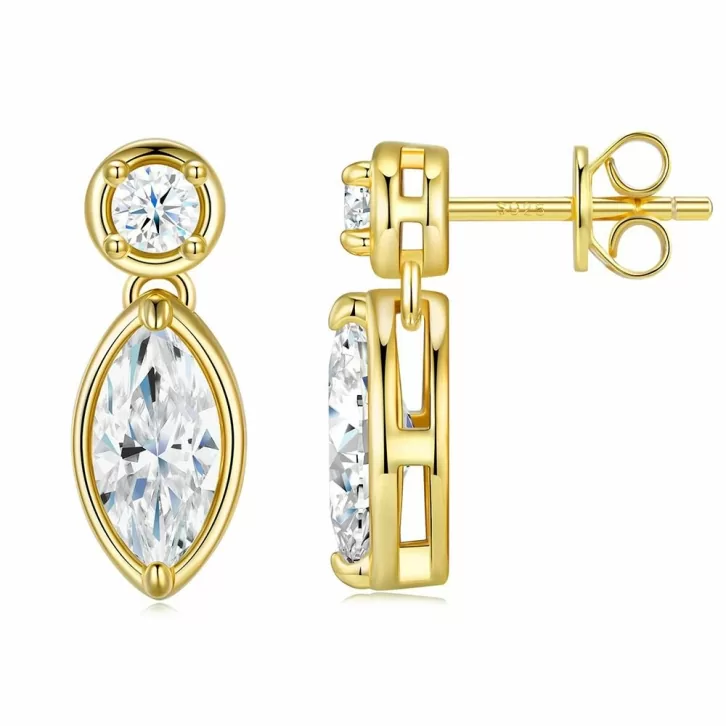
The neckline sets the jewelry canvas. Here is a practical pairing guide for bridal clients, from strap placement to necklace length.
Gold and platinum are not the only options. Titanium, tungsten, ceramic, carbon fibre and wood men's wedding bands offer a modern, durable look. We compare them.
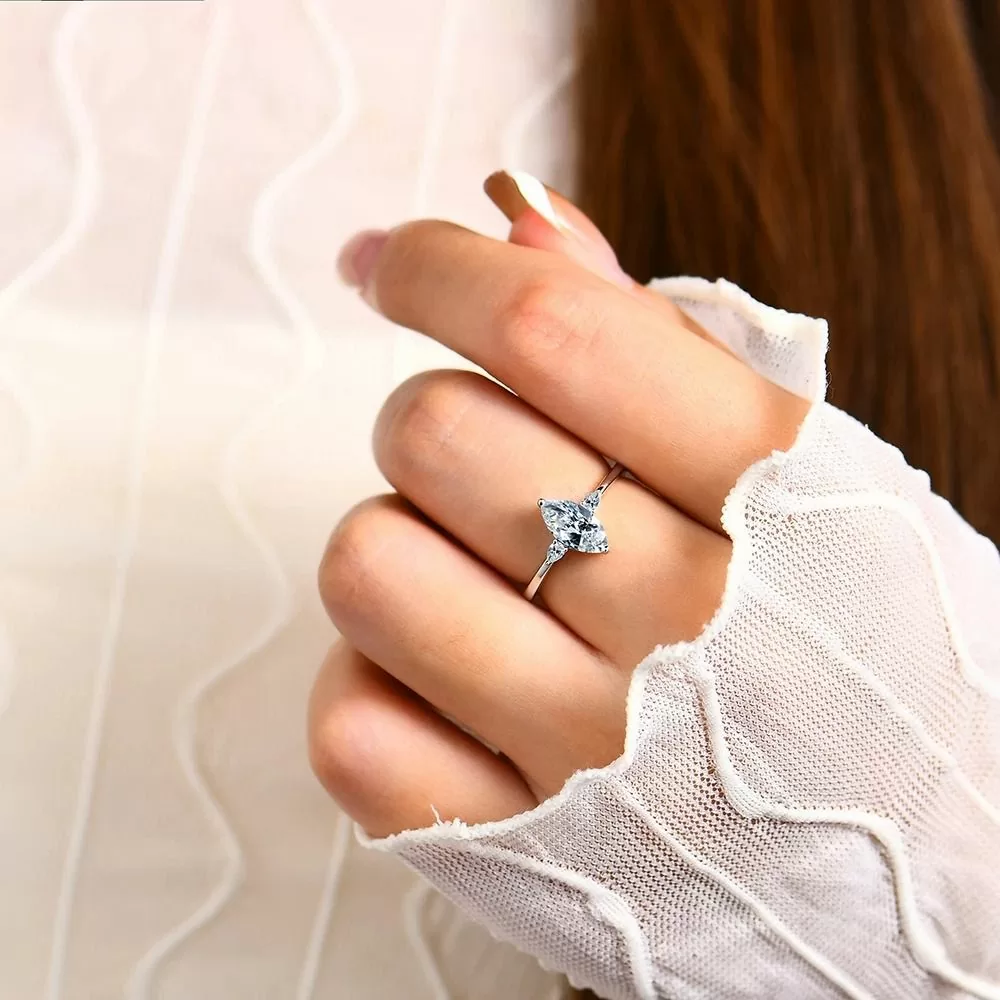
Gone are the days when both rings had to match. Mixing rose gold, yellow gold and platinum is now a deliberate look. We cover how to do it well without clashing.
2mm, 4mm or 6mm? The width of a wedding band changes how it looks, how it feels and how it pairs with an engagement ring. We compare the three most common widths.
Both white, both hypoallergenic, both 950. They differ in density by nearly half, which changes how the ring feels on the finger and what it costs.

Tradition says one person bought both bands; modern couples split, match, or buy their own. Here is the current etiquette and what to do at the altar.
Width and profile change how a band feels, stacks with an engagement ring, and sizes on your finger. Here is how to choose both.
Renewing your vows deserves a ring, but it does not have to look like the first one. We compare eternity bands, matching renewals and upgraded solitaires.
A metal ring on a worksite can be a burn, crush, or entanglement hazard. Silicone wedding bands solve that problem, but they are a work accessory, not a forever ring.
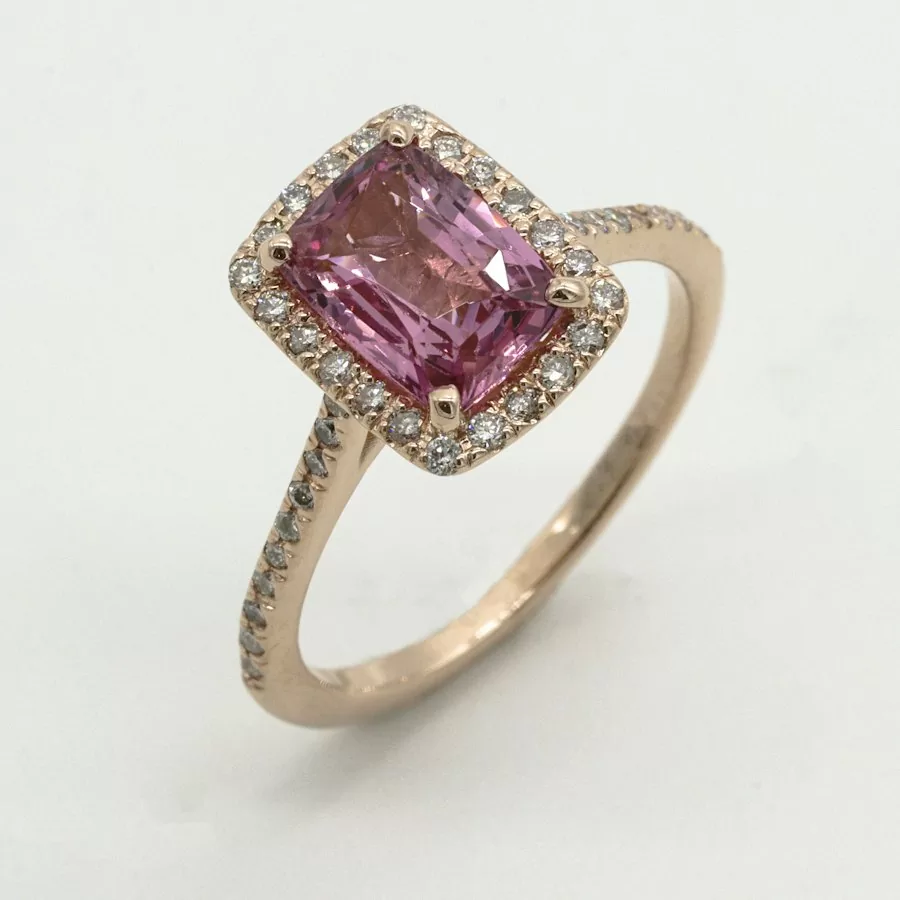
Two identical rings in the same metal can look completely different depending on their finish. The finish also decides how scratches show up over decades of wear.
The finish on a wedding band is as much a style choice as a durability choice. Polished, satin, brushed and matte all age differently — pick the one that matches how you actually live.
A bridal set is an engagement ring and a wedding band sold as a matched pair, designed to nest together without a gap. The advantage is a clean, intentional look; the trap is that the matching band may be hard to replace or resize if it wears first. This guide explains how bridal sets are built, what to check before you commit, whether a set saves money over buying separately, and the ways people mix and match two rings that were never sold together.
An engraving is the one part of a wedding ring nobody else will ever see, which is exactly why people value it. This guide covers the sensible length limits for a slim band, the phrases that age well versus the ones that will embarrass you in ten years, hand versus machine engraving, and how to add a date, coordinates, initials or a line from your wedding song without it looking crowded.
Men's rings have moved a long way from the plain 6mm gold band. Today the choices span tungsten, carbon fibre, black zirconium, patterned mokume, slim comfort fits and heavy signet styles. This guide walks through the practical decisions - width, metal hardness, what happens if a ring is too wide for the knuckle, which metals scratch and which dent - so the groom picks a ring he will not want to replace after a year.
An eternity band is a ring set all the way round with matching stones, usually given for an anniversary, the birth of a child, or to sit next to an engagement ring. This guide explains the difference between a full and a half eternity band, why full eternity rings are hard to resize, which setting style protects the stones best, and the occasions that actually make sense for buying one - versus buying one just because it looks pretty online.
A wedding band that does not sit flush against a solitaire will rub, tilt and leave a gap you will notice every day. The profile of both rings - flat, domed, court, knife-edge - decides whether they nest together or fight. This guide explains which band profiles pair cleanly with common solitaire settings, what a contoured or notched band actually does, and how to try the combination on before the wedding rather than after.
The metal that looks toughest on day one is not always the one that survives ten years of hands.
Stacking is the repeat-purchase engine. Here is the width, finish, and stone-hardness rulebook for curating a stackable line.
Platinum and palladium are both white precious metals, yet they feel nothing alike. Platinum is dense, heavy and develops a soft patina; palladium is light, modern and roughly half the price. This guide compares the two on cost, weight, colour, allergy risk, how each ages, and which suits a wide band or a slim comfort fit, so you do not pay platinum money for a feel you will not actually enjoy.
Both metals look white. They age, weigh and cost very differently. Here is the UK comparison most jewellers won't spell out.
Platinum and silver both scratch, but only one sheds metal. Explain the price gap.
MOQ starts at 5 pieces per ready-stock style; OEM/ODM custom rings follow a quoted minimum order set in the order agreement.
Ready-stock orders are prepared within 2–5 business days after confirmation. Custom, OEM and ODM projects follow a quoted lead time of 15–30 days, depending on design, metal, stone availability and order size.
Pricing is quoted per piece or per carat according to stone, metal weight, setting and finish. After you send styles, stone and quantity, our sales team returns a written price list and price range for the proposed order.
We accept T/T bank transfer, PayPal and Western Union. Custom and OEM/ODM orders require an agreed 30% deposit, with the balance paid before shipment; bulk and private-label payment terms are confirmed in the order agreement.
We keep our wholesale MOQ low, but the exact minimum is quoted on request rather than fixed on this page. Ready-stock styles can usually be ordered in small mixed batches across categories; OEM, ODM, private-label and custom packaging runs carry their own minimums depending on tooling, branding and quantity. After you send your selected styles or categories and estimated quantities, our sales team confirms the MOQ, mixed-batch options and unit price in a written quotation. Any fixed number quoted on a proposal applies to that specific order only.
Ready-stock orders are picked, inspected and packed within 2–5 business days after confirmation, subject to availability. Custom, OEM and ODM orders follow a longer quoted schedule because the project includes consultation, 3D modeling, prototype approval, production and final inspection. The total lead time depends on design complexity, metal, stone availability, setting type and order size; we state the expected production window in your quotation after reviewing the brief. No fixed production day count is promised publicly because each project differs, and sample approval always precedes bulk production.
Yes. Sample-first cooperation is standard for custom, OEM and ODM projects. For ready-stock wholesale, buyers may order a small sample batch to check quality, finish and packaging before committing to a larger order. A sample or prototype cost may apply to custom designs; that cost and whether it is credited toward a later bulk order are stated in the quotation. We recommend approving the physical sample or prototype before production begins, because changes made after approval can affect cost and lead time.