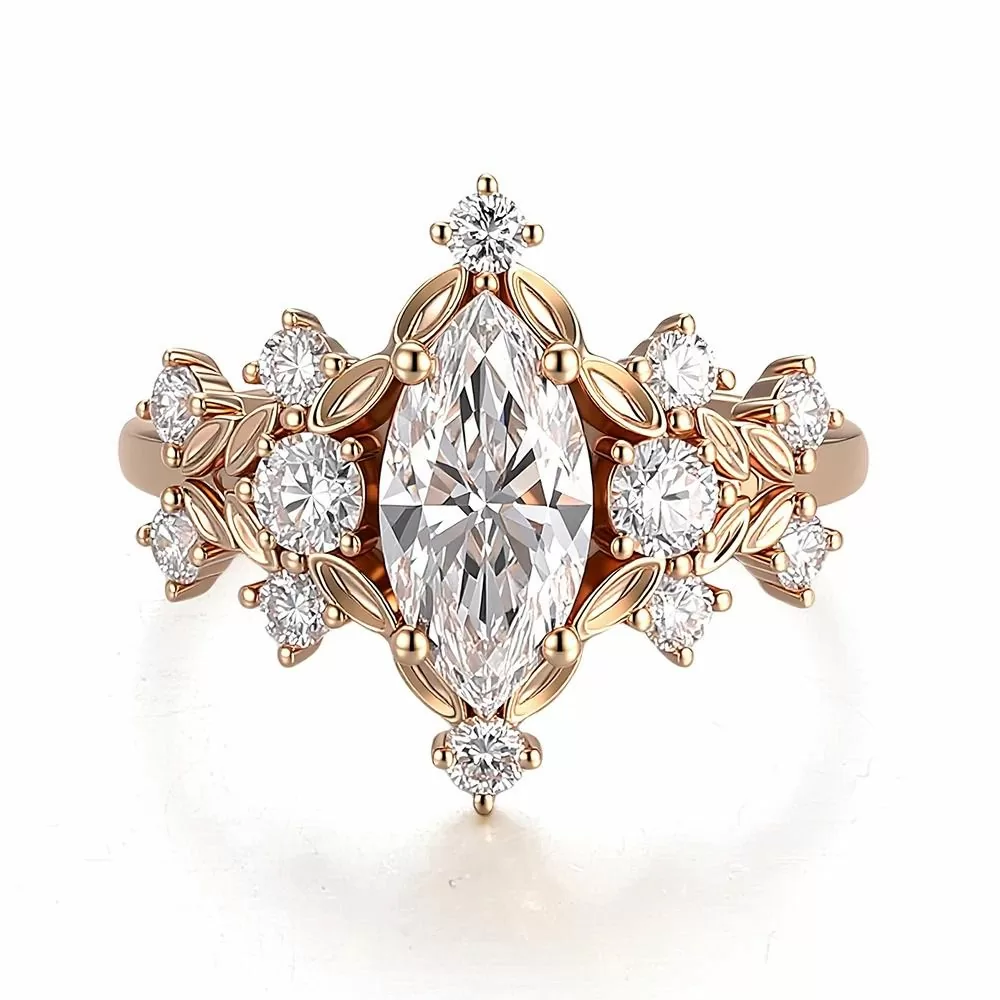
Two white-metal rings sit on the tray. One is marked "Platinum 950," the other "Palladium 950." They look almost identical. They feel different the moment you pick them up, and they cost different amounts. Platinum and palladium are both rare, silvery-white members of the platinum group, and both are sold as hypoallergenic wedding ring metals. But they have different density, different weight on the finger and different price per gram. The Wikipedia palladium reference tracks the metal's market history and industrial uses, which is what moves the price.
What the two metals have in common
Both are naturally white, so neither needs rhodium plating to stay bright. Both are among the most hypoallergenic jewelry metals available, because they contain almost no nickel. Both are used in fine jewelry, and both are stamped with a fineness mark (usually 950 for jewelry grade) so you know what you are buying. The FTC jewelry guides require that fineness stamp to be honest. If you have sensitive skin, either metal is a safe choice; the decision comes down to weight and budget.
Density and weight on the finger
This is the difference you feel immediately. Platinum has a density around 21.45 grams per cubic centimeter. Palladium sits around 12.0 grams per cubic centimeter, which is nearly half. The same ring design cast in platinum feels about twice as heavy as the same design in palladium. Some buyers love the solid, settled weight of platinum; others find a heavy band tiring after a long day on the hands. Palladium gives you the white-platinum look and the hypoallergenic properties at roughly half the weight. If you switch rings often or dislike a heavy band, palladium's lightness is a feature, not a flaw.
Hardness and how each ages
Palladium is slightly harder than platinum, which means it resists fine scratches a little better. Platinum is softer and develops a soft, matte patina over years; many owners prefer it. Palladium also scratches, but because it is lighter and slightly harder, it shows a smoother, less pronounced wear pattern. Neither metal yellows, because neither contains gold. Both can be polished back to a high shine if you want, but polishing removes a small amount of metal each time, so it should be done sparingly. For how these compare to the more common white gold option, read platinum versus white gold.
Price per gram and why it moves
Both metals are traded on commodity markets, but palladium's price is much more volatile. Roughly half of global palladium supply goes into automotive catalytic converters, so demand swings with car production and emissions rules. Platinum's industrial demand is broader, which smooths its price somewhat. In retail jewelry, a platinum ring typically costs 20 to 50 percent more than the same design in palladium, because platinum's density means more raw metal goes into the same ring. Over a 20-year horizon, neither metal needs recurring re-plating, so the upfront price is the main cost. Put it against our engagement ring budget framework to see where the metal sits in the total spend.
Which buyer should choose which
Choose platinum if you want the densest, most traditional white-metal band, do not mind the extra weight, and want the patina that many people associate with a lifetime ring. Choose palladium if you want a white, hypoallergenic band that feels light on the finger and costs less than platinum, and you are comfortable with a metal whose market price moves more widely. Both are resizable by a competent jeweler, though palladium requires more skill to work with than gold. Either choice pairs well with the ring styles in wedding band metal guide.
One practical note for resizing: palladium is harder to work than gold, so not every local jeweler will want to size it. Before you buy a palladium band, ask the retailer whether resizing is covered or which local jewelers they recommend. Platinum is more widely resized, because most bench jewelers are trained on it. If you anticipate resizing in the first year, that serviceability gap is a small but real point in platinum's favor. Also think about the wedding band that will sit next to it: a platinum engagement ring pairs naturally with a platinum band, because the two metals wear at the same rate, while a palladium band next to a platinum ring will feel noticeably lighter on the finger.
Frequently asked questions
Is palladium a real precious metal?
Yes. It is a platinum-group metal, traded on commodity exchanges and used in fine jewelry and industry.
Which one is heavier on the finger?
Platinum, by a wide margin. The same ring design in platinum feels about twice as heavy as the same design in palladium.
Does palladium tarnish or turn yellow?
No. Like platinum, it stays silvery-white for decades and develops only a soft patina, never a yellow edge.
Is palladium good for sensitive skin?
Very. It is among the most hypoallergenic jewelry metals, with no nickel or copper in typical 950 alloy.
Compare the two against the rest of the ring: read metal guide and budget guide before you commit.


