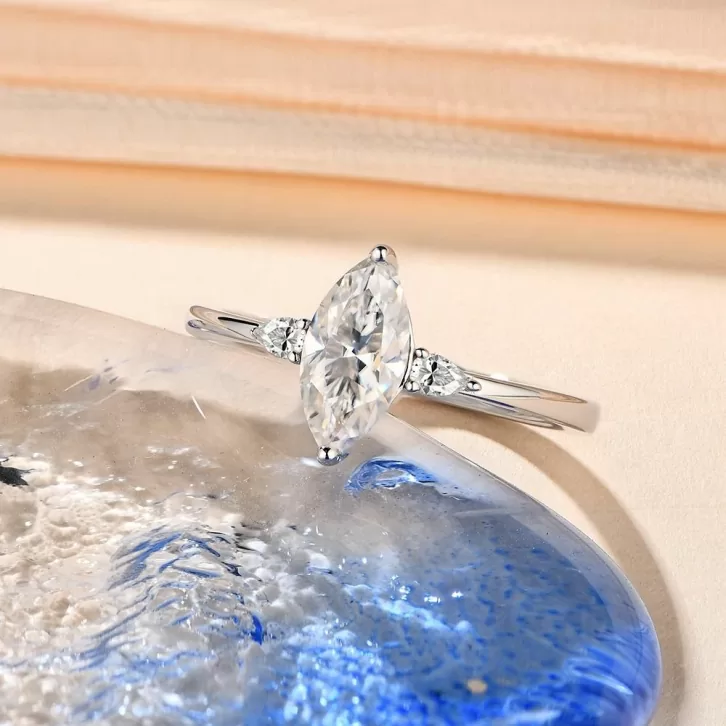
In the UK, haggling over a piece of jewellery feels slightly uncomfortable. We are taught that prices in a reputable shop are what they are, and asking for a discount risks looking cheap. The reality behind the counter is different. Jewellery is a high-margin, low-turnover business, and there is often a small amount of flexibility in the tag price, especially on pieces that have sat in the case for a while. The trick is to ask in a way that respects the shop and gets you a fair deal.
Before you walk in, do the homework. Know what the ring is made of, what the centre stone is graded, and what comparable stones cost elsewhere. A negotiation built on genuine market knowledge is taken seriously; a negotiation built on a web bargain is not. Our guide to engagement ring budgeting helps you set a target before you start.
Where the flexibility actually lives
Some prices are fixed and some are not. Chain stores and branded online retailers usually run fixed pricing with very little room. Independent jewellers, especially those who make their own work, have more discretion. Pieces that have been in the case for months are the most negotiable, because the shop wants the cash back in stock. Loose stones ordered in specially are closer to net price, with less room, but the setting work may carry margin you can discuss.
The biggest flexibility often appears in the extras rather than the headline price. A jeweller who will not drop the sticker price may happily throw in a free first resize, a complementary cleaning, an upgraded appraisal, or a pair of stud earrings. These add-ons often matter more to you than a ten percent discount, and they cost the shop less than a price cut. When you are deciding what to spend, remember that our list of hidden engagement ring costs also affects the real total.
A polite, realistic script
You do not need to play hardball. After you have admired the ring and asked your questions, say something like: this is the piece we want, and we would like to proceed today. Is there any flexibility on the price, or on the extras, if we pay in full now? Most owners will answer honestly. The reply might be that the stone price is fixed but they can include the appraisal, or that they can take a small amount off if you collect within the week.
The mistake to avoid is anchoring low. Offering two thirds of the tag price on a certified diamond is not negotiation, it is an insult, and it will end the conversation. Aim for a single-digit to low-double-digit percent movement, or a bundle of services, rather than a dramatic slash. If the jeweller says no, accept it; you have lost nothing by asking once, and the relationship with the workshop is worth preserving for future servicing.
When not to negotiate
There are situations where pushing for a discount is the wrong move. A hand-made commission priced after a detailed design meeting is already a fair quote for skilled labour, and haggling signals you do not value the craft. A rare or one-of-a-kind stone has no comparable, so the price reflects rarity and the seller knows it. A heavily discounted stone that a competitor is offering cheaply should raise a question about grading or treatment rather than tempt you; check the certificates side by side before you buy.
Also remember that the cheapest ring is rarely the best deal. A shop that negotiates aggressively may be cutting corners on melee, prongs or aftercare to hold margin. Compare total value, not just the number on the receipt, and read our notes on where to buy in the UK before you commit.
Paying in full versus financing
If you are offered 0% finance, that is already a discount in disguise. Spreading the cost interest-free is worth real money, and it is often a better outcome than a price cut. Shops are also more willing to add extras to a financed sale because they earn something from the payment provider. We have covered the landscape in engagement ring financing options, so weigh the financing deal against a cash discount before you ask for either.
Negotiating an engagement ring in the UK is a small, polite conversation, not a bazaar. Ask once, accept the answer, and let the relationship with the jeweller carry more weight than the few percent you might save. The ring will be on her finger for decades; the person who tightens the prongs in ten years time matters at least as much as the price you paid today.
One final tip: timing helps. Independent jewellers often have quieter weeks after the Christmas and summer proposal rushes, when they would rather move a piece at a slightly better margin than hold it another season. If your timeline allows, shopping in a quieter month can make a seller more open to a small discount or a generous bundle. There is no need to mention this strategy out loud; simply being there when the shop is less busy tends to produce a more relaxed, more flexible conversation on both sides.
The Gemological Institute of America’s gem encyclopedia is an authoritative, widely cited reference on moissanite and diamond quality factors.
Related Reading
- HPHT vs CVD Lab-Grown Diamonds: The Basics Buyers Ask
- When Your Ring Size Changes: Day to Day, Season to Season
- How Lab-Grown Diamonds Are Priced
Frequently Asked Questions
What ring sizes can you supply in bulk?
US sizes 5–12 including half sizes. Send a size breakdown with your order and we cast to that curve; comfort-fit inner bands reduce resize requests.
Can I order a mixed size run instead of one size?
Yes. Mixed runs are standard for wholesale: specify quantity per size and we pack and label by size at no extra labor cost.
What is the MOQ for custom ring designs?
50 pieces per design for existing molds; 100–300 pieces when a new mold or CAD model is required.
How should I price rings for retail margin?
Most partners use a 3–4x markup on FOB cost for sterling and 2.5–3x for moissanite solos, which keeps landed cost under 30% of retail.


