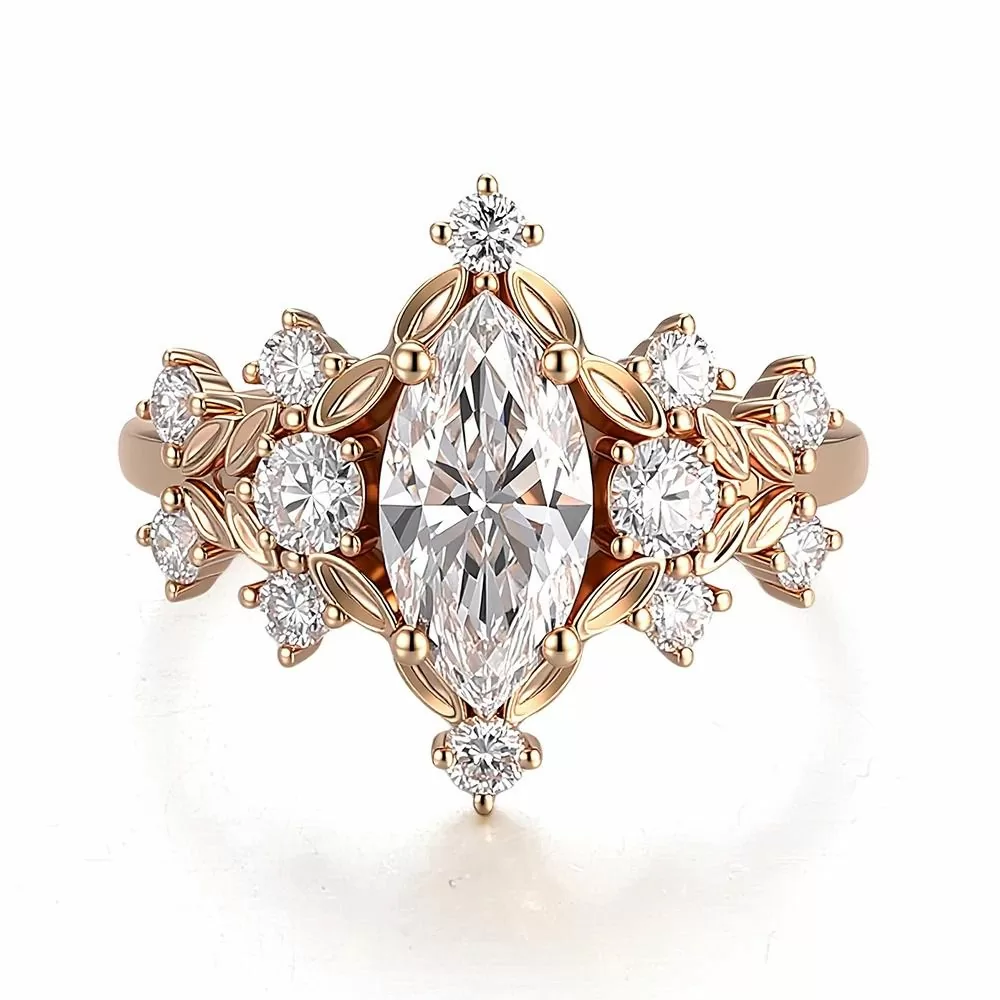
You know the feeling. The ring slides on fine, but within an hour the centre stone has wandered to the side of your finger, and you keep twisting it back into place. By the end of the day the ring feels loose and the stone sits where the knuckle used to be. A spinning ring is one of the most common fit complaints jewellers hear, and most people assume it simply means the ring is too big. Usually, the real problem is the shape of the finger, not the size.
Fingers are not straight cylinders. They narrow below the knuckle, and the knuckle itself is often the widest point. A ring has to stretch over that knuckle to get on, but once it is past, the finger below may be much thinner. The ring cannot sit snug against a taper, so it rotates freely. This is the classic knuckle-to-base mismatch, and it affects people of every hand size. Our UK ring size guide measures the base of the finger, which is exactly why the result can feel loose once the ring slips past the knuckle.
Why a smaller size is not always the answer
The instinct is to size the ring down so it grips the thinner base. But that only works if the smaller size still passes comfortably over the knuckle. If the knuckle is large, a ring that fits the base will not go on, or it will pinch painfully as it crosses the joint. Sizing down often creates a new problem: a ring that cannot be removed safely, especially after a long day when fingers swell.
The better fix is to keep the ring large enough to pass the knuckle comfortably, then stop it from spinning below. There are jeweller-approved ways to do this that do not involve permanent resizing, and they work whether you are dealing with an engagement ring, a comfort fit wedding band, or a signet.
The fixes jewellers actually use
The simplest option is a ring guard or sizing bead. A jeweller solders two tiny beads of metal to the inner lower half of the band, exactly opposite the centre stone. The beads sit on either side of the finger below the knuckle and stop the band from rotating. This is nearly invisible, costs little, and can be removed later if your fingers change. It is the standard answer to a spinning solitaire.
A second option is an inside ring guard, a U-shaped metal insert that clips into the band and adds bulk where needed. This is reversible and useful for rings you do not want to solder on to. A third is a plastic or silicone ring adjuster, a temporary sleeve that sits inside the band. These are cheap and good for testing whether a size adjustment helps, but they look casual and are best for everyday bands rather than engagement rings.
Shape and width matter
Not all bands spin equally. A narrow 2 mm band on a tapered finger rotates almost freely, while a wider 5 mm band catches more skin and stays put. This is one reason a wider wedding band often feels more secure on the hand than a slender engagement ring. If you are choosing a band and you know you have a knuckle-to-base mismatch, a slightly wider option can solve the spinning without any fitting aids. Our guide to ring width for finger size walks through the proportions.
The profile of the band also plays a part. A flat, squared band grips the finger more than a round comfort-fit band that slides. Some people deliberately choose a flat inner profile on the lower band for security, while keeping a comfort fit on the upper half. A jeweller can discuss this when you have the ring adjusted.
When spinning means something else
A ring that suddenly starts spinning after years of a snug fit is not always a finger shape issue. It can mean weight loss, medication that reduces water retention, or simply a change in the season; fingers are thinner in cold weather and thicker in warm. If a previously well-fitting ring becomes loose, measure it before you assume the band has stretched. Gold and platinum do stretch slowly over decades, which is a separate problem we cover in band thinning, but a sudden looseness is usually a body change rather than metal change.
Also watch for the reverse signal. A ring that stops spinning because it suddenly feels tight may be the early sign of swelling, water retention or a circulation issue. If a ring you have worn for years becomes hard to remove in warm weather, do not force it; soak the hand in cool water, elevate it, and if the tightness persists, visit a jeweller rather than cutting the ring off yourself.
A spinning ring is annoying, but it is also a solvable problem. Before you commit to a smaller size that will not pass your knuckle, ask a jeweller about sizing beads or a width change. The right fit lets the stone stay where it belongs without pinching the knuckle, and once it is sorted you will stop noticing the ring at all, which is exactly how a well-fitted ring should feel.
The history and conventions of engagement rings are outlined in the Wikipedia entry on engagement rings.
Related Reading
- Gold vs Platinum Weight: The Density Numbers Buyers Ask About
- Everyday Rings: Which Metal Lasts the Longest
- Platinum vs Sterling Silver Wears
Frequently Asked Questions
What ring sizes can you supply in bulk?
US sizes 5–12 including half sizes. Send a size breakdown with your order and we cast to that curve; comfort-fit inner bands reduce resize requests.
Can I order a mixed size run instead of one size?
Yes. Mixed runs are standard for wholesale: specify quantity per size and we pack and label by size at no extra labor cost.
What is the MOQ for custom ring designs?
50 pieces per design for existing molds; 100–300 pieces when a new mold or CAD model is required.
How should I price rings for retail margin?
Most partners use a 3–4x markup on FOB cost for sterling and 2.5–3x for moissanite solos, which keeps landed cost under 30% of retail.


